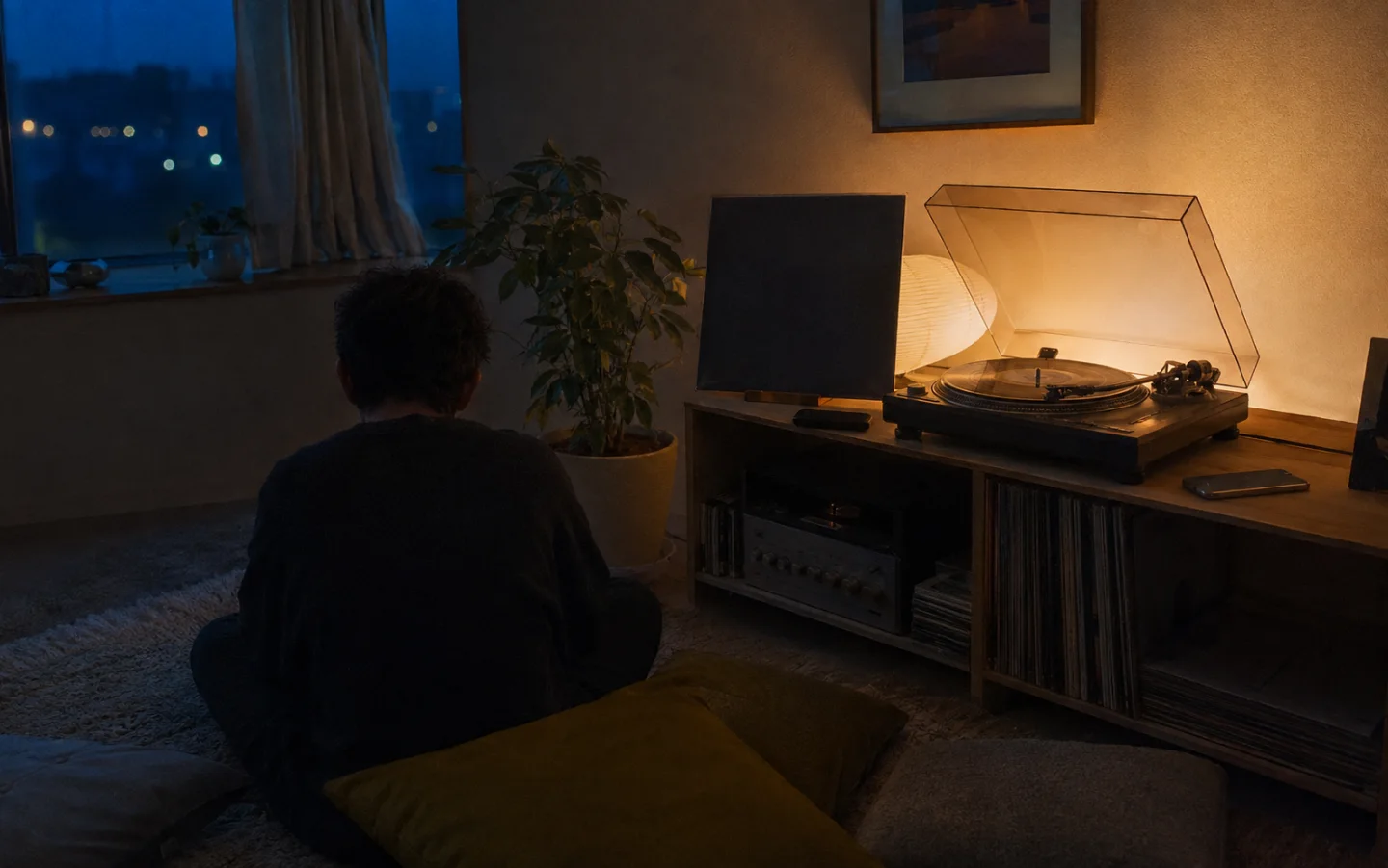
The moment a morning routine becomes a system, it can start to feel like work. There is another way to begin: keep the first hour deliberately unclaimed.
Method note: This essay combines established sleep research with a low-pressure routine readers can adapt. It is not medical advice.
Before the day starts asking
Many mornings begin with borrowed priorities. A notification contains someone else's question, a calendar presents someone else's deadline, and the news offers a dozen events that are too large to hold before breakfast. None of these things are unimportant. They simply arrive before we have chosen where to place our attention.
An unclaimed first hour is not a strict rule about waking early. It is a boundary around the first available stretch of the day, whenever that occurs. The purpose is to meet the morning directly, before it is translated into tasks.
Make fewer decisions
The gentlest routines remove choice without adding pressure. Put the kettle where it is easy to reach. Leave a book on the table instead of the phone. Open the curtain before opening an app. These are small arrangements, but they keep the mind from negotiating with itself too soon.
A good routine should also survive a late night, an early train or an untidy kitchen. If it only works under perfect conditions, it is less a routine than a performance. The useful version is forgiving enough to shrink when time is short.
Let the hour remain ordinary
There is no need to extract a lesson from every quiet moment. Coffee can just be coffee. A window can be watched without becoming a mindfulness exercise. The value comes from not converting the experience into proof that the day has begun correctly.
Later, the inbox will still exist. The hour does not solve the day, but it changes who meets it. Attention that has not been immediately scattered tends to return more easily, even after the morning becomes busy.
Work with light, not a perfect schedule
Morning light is one of the strongest signals used by the body clock. Research reviewed by the American Academy of Sleep Medicine found that correctly timed morning light can shift circadian timing and improve daytime alertness. That does not mean everyone needs a sunrise ritual. It means light is a more useful starting point than an elaborate checklist.
Try opening curtains or stepping outside soon after waking when your schedule allows. If you work nights, travel frequently or have a diagnosed sleep condition, generic morning advice may not fit. A clinician can help with timing because bright light at the wrong point in a sleep cycle can move the body clock in an unwanted direction.
A seven-day observation
For one week, keep the first fifteen minutes consistent and leave the rest flexible. Choose three actions that require no screen: drink water, open the window and prepare breakfast, for example. Write down only when you woke, when you first checked a message and how alert you felt by mid-morning.
The point is not to manufacture a perfect score. Look for friction. If the phone keeps returning to the table, charge it farther away. If breakfast creates too many decisions, prepare one element the night before. Change the room before demanding more willpower from yourself.
When the routine is not the answer
Persistent exhaustion, loud snoring, breathing interruptions, severe insomnia or sleepiness that makes driving unsafe are not routine-design problems. They deserve professional assessment. A calmer morning can make daily life more pleasant, but it cannot replace enough sleep or treatment for a sleep disorder.
A useful first hour should make the day feel more inhabitable, not add anxiety. If protecting it requires punishing rules, shorten it. Five quiet minutes that survive a busy week are more valuable than an ideal plan abandoned after two days.